From Bush to Beach: A Solo Journey Through Kruger, Mozambique, and Southern Africa
The sign read: “9-Day Kruger, Mozambique, Eswatini & Lesotho Adventure.” For me, Alex Turner, a 30-something software engineer from Boston, it wasn’t just a tour; it was a pact with the unknown. It was the audacious answer to a creeping sense of stasis in my life, a desire to trade the predictable algorithm of my nine-to-five for the thrilling, unpredictable heartbeat of Southern Africa.
The Inception: Why This Tour?
For years, I’d been a traveler of convenience—quick European city breaks, all-inclusive beach resorts. But I wanted depth, a visceral experience that a week of sipping Aperol Spritz couldn’t deliver. I’d decided to travel solo for the first time, craving the pure, unfiltered immersion that comes from relying entirely on your own senses and the serendipity of the road.
I chose the Africabig5safaris adventure for a few critical reasons. First, the geographical ambition was a huge draw. Four distinct countries—South Africa, the coastal pulse of Mozambique, the cultural heart of Eswatini, and the mountain kingdom of Lesotho—in just nine days. It was a logistical marvel and a cultural whirlwind rolled into one. Second, as a solo traveler, a well-regarded small-group tour offered the perfect balance of independence and security. The heavy lifting of visas, border crossings, and accommodation was handled, freeing me to focus on the experience, while the small group guaranteed companionship when I wanted it, but never demanded it. Finally, the promise of the Big Five in Kruger coupled with the mountain majesty of Lesotho’s Sani Pass and the Portuguese-African vibe of Maputo felt like the ultimate Southern African sampler platter.

Pre-Departure Logistics: The American Preparation
My preparation began four months out. A solo trip to four African nations demanded meticulous planning, even with a tour operator handling most of the ground work.
Visa Applications
For a US citizen on this itinerary, the visa situation was complex but manageable:
- South Africa: Visa-exempt for tourism up to 90 days. A simple passport stamp at OR Tambo International Airport.
- Eswatini (Swaziland): Visa-exempt for tourism up to 30 days. Another straightforward stamp upon border crossing.
- Lesotho: Visa-exempt for tourism up to 14 days. A quick stamp at the border post.
- Mozambique: This was the outlier. A tourist visa is mandatory and, while I could have risked a Visa on Arrival (VoA), I opted for the peace of mind of getting the full-page sticker visa in my passport from the Mozambican Embassy in Washington, D.C. The process took about three weeks and involved an application form, passport photos, a letter from Africabig5safaris confirming my itinerary, and a hefty fee. This pre-planning was absolutely worth it for a smoother border crossing.
What I Took With Me (The Packing List)
My philosophy was “layering and necessity.” The diverse climates, from the cold mountain air of Lesotho to the humid coast of Mozambique, demanded versatility. I opted for a 65L backpack and a small daypack, swearing off a checked suitcase.


| Category | Essential Items | Rationale |
|---|---|---|
| Clothing (Safari/Culture) | 2 pairs of durable, neutral-colored zip-off pants, 4 moisture-wicking t-shirts (khaki/grey), 2 long-sleeved shirts (for sun/mosquito protection), 1 fleece jacket, 1 lightweight rain jacket. | Neutral colors are essential for game viewing; long sleeves for early morning game drives and evenings. Layers for variable temperatures. |
| Footwear | Broken-in hiking boots, comfortable sandals (Tevas/Chacos), light sneakers. | Boots for Kruger and Sani Pass; sandals for the beach and lodge; sneakers for travel days. |
| Health & Safety | Anti-malaria prophylaxis (started a week prior), comprehensive first-aid kit (Imodium, pain relievers, blister pads), rehydration salts, high-SPF sunscreen, strong insect repellent (DEET 30%+). | Malaria risk in Kruger and Mozambique; general preparedness for stomach issues and the African sun/bugs. |
| Gear & Electronics | Universal travel adapter (South African Type M and European Type C), portable power bank, 10×42 binoculars (non-negotiable for safari), good DSLR camera with a telephoto lens (70-300mm), headlamp. | Binoculars are a game-changer for wildlife; headlamp is critical for lodge movement in the dark. |
| Paperwork & Money | US Passport with ample empty pages (for all the stamps!), Mozambican Visa, printed tour itinerary, copies of passport/visa/insurance stored separately, $500 in small US dollar bills for contingency, a small amount of South African Rand (ZAR) for immediate tipping/purchases. | The multi-country trip chews up passport pages; cash for border fees and tipping. |
The Road: A Nine-Day Odyssey
The trip, run in a comfortable, air-conditioned mini-van with a fantastic, knowledgeable South African guide named Siyanda, started in Johannesburg. I met my group—a couple from Germany, two friends from Canada, and me—the lone American and solo traveler.
Day 1 & 2: The Thrill of Kruger and The Panorama Route (South Africa)
Where: Johannesburg to Graskop/Hazyview area, then Kruger National Park.
Accommodation: A comfortable lodge just outside Kruger (Marloth Park area).
The first leg was a crash course in South African landscape and wildlife. We started with the breathtaking Panorama Route: the deep, verdant chasm of the Blyde River Canyon, the iconic trio of Three Rondavels, and the geological oddities of Bourke’s Luck Potholes. It was a stunning counterpoint to the flat American plains I was used to.
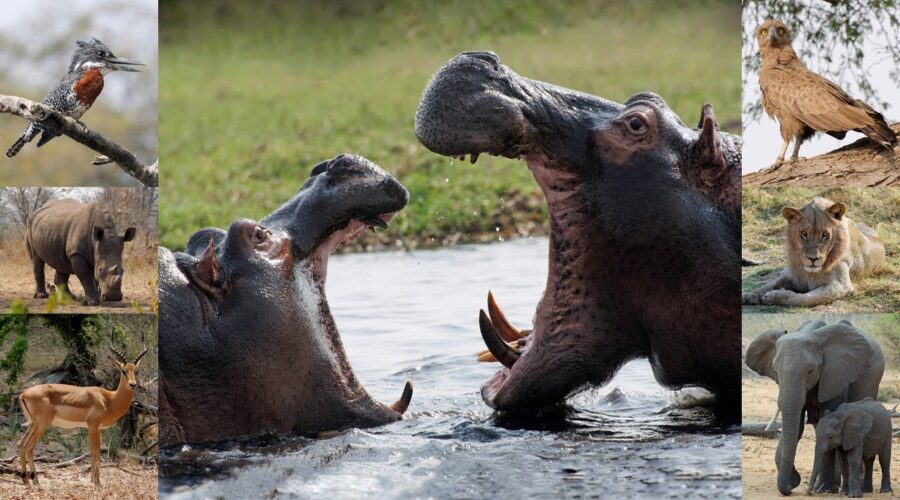
Kruger itself was magic. Siyanda drove us in an open-sided 4×4, the wind whipping past as the sun rose, painting the Lowveld a soft, dusty gold. I found myself speechless, binocular-glued to my eyes. We saw a parade of African fauna: colossal elephant herds crossing the road, a mother rhino and her calf grazing placidly, a pride of lions sleeping off a morning meal, and the often-elusive leopard, spotted by Siyanda hiding in a Marula tree. I managed to tick off the Big Five by the afternoon of the second day—a truly exhilarating feeling that made the long flight instantly worthwhile.
On the Road: Long drives were broken up by coffee stops, bathroom breaks, and Siyanda’s endless supply of South African history, culture, and nature anecdotes. The group bonded quickly over the shared spectacle of the wild.
Day 3: Coastal Pulse and Border Jitters (Mozambique)
Where: Kruger area (South Africa) to Maputo (Mozambique).
Accommodation: A clean, city hotel in downtown Maputo.
This was the first major logistical test: the border crossing. We approached the Komatipoort/Ressano Garcia border post. South Africa’s exit was swift. The Mozambican side was a controlled chaos of queues, officials in unironed uniforms, and paperwork. This is where my pre-secured visa paid off. While a few members of the group had minor delays with their VoAs, my US passport, already graced with the full-page sticker, sailed through.
Maputo was a total change of pace. From the silence of the bush to a vibrant, noisy capital bursting with Portuguese colonial architecture, peeling paint, and the smoky scent of grilling seafood. We did a whirlwind city highlights tour: the magnificent Maputo Railway Station (often cited as one of the world’s most beautiful), the old Fortaleza de Maputo, and the buzzing local markets. The evening was spent sharing a peri-peri chicken dinner and copious amounts of local beer—a true taste of Mozambique’s electric, coastal energy.

Day 4 & 5: Cultural Immersion in the Kingdom (Eswatini)
Where: Maputo (Mozambique) to Ezulwini Valley/Mlilwane (Eswatini).
Accommodation: A traditional-style Beehive Hut in the Mlilwane Wildlife Sanctuary.
The crossing from Mozambique into Eswatini at the Namaacha/Lomahasha border was remarkably smooth, a pleasant contrast to the previous day. Immediately, the landscape softened into rolling green hills and traditional homesteads—the heartland of the Swazi people.
The accommodation at Mlilwane was a highlight: sleeping in a classic, woven Beehive Hut with the sounds of the African night just outside the canvas walls. It was a proper, simple immersion. Day 5 was dedicated to culture. We visited the Mantenga Cultural Village, where I learned about Swazi history, traditions, and watched an incredibly energetic, rhythm-driven traditional dance performance. Later, a visit to the Swazi Candles Factory showed the amazing artisan craft of the country.
Solo Experience: Mlilwane was safe enough for self-guided walks, as there are no major predators. I spent an entire afternoon walking among zebra, impala, and warthogs, entirely alone with my thoughts—a deeply peaceful, reflective moment that a solo traveler truly cherishes.
Day 6 & 7: South Africa’s Dramatic Ascent (Drakensberg and Lesotho)
Where: Eswatini to Underberg, KwaZulu-Natal (South Africa), then Lesotho.
Accommodation: A cozy guesthouse/lodge near Underberg.
Day 6 was a lengthy but scenic drive back into South Africa, heading south into the Drakensberg mountains toward the small town of Underberg, the gateway to Lesotho. The shift in scenery was dramatic: from the low-lying bushveld to the colossal, jagged peaks of the Dragon’s Back.
Day 7 was the main event: the perilous but spectacular ascent of the Sani Pass in a specialized 4×4. The road is legendary—29 hairpin bends, unpaved, steep, and demanding. It was an adrenaline rush, watching Siyanda expertly navigate the tight turns. At the summit, 9,400 feet above sea level, we were officially in the Kingdom of Lesotho (The Mountain Kingdom). The air was thin and crisp. We had lunch at the Sani Mountain Lodge, proudly advertising itself as the highest pub in Africa, before meeting a local Basotho shepherd in his traditional blanket and gumboots. The sheer scale of the Lesotho Highlands was humbling, a vast, empty, beautiful world above the clouds.
Day 8: Mountain Culture and Return (Lesotho & South Africa)
Where: Lesotho (Sani Pass area) back to South Africa (Drakensberg area), then drive north toward Johannesburg.
Accommodation: A mid-way stopover hotel/lodge to shorten the final drive.
After descending the Sani Pass, the journey focused on making ground back north. While the initial tour description mentioned Semonkong, the logistics of the 9-day tour necessitate a more direct route back towards the economic hub. This meant another long day of driving through the stunning KwaZulu-Natal and Free State provinces. It was a day for reflection, watching the landscapes shift from high mountains to farmlands, solidifying the mental images and memories captured over the previous week.
We visited the spectacular Maletsunyane Falls near Semonkong in Lesotho, one of the highest single-drop waterfalls in Southern Africa. We also overnighted at the same lodge, the Semonkong Lodge.”
Day 9: Conclusion (South Africa)
Where: Final drive to Johannesburg.
Accommodation: Farewell breakfast and drop-off at OR Tambo International Airport.
The final morning was a drive into the sprawling urban landscape of Johannesburg, a stark and final contrast to the wild spaces we had just left. A farewell breakfast with the group marked the end. Hugs were exchanged; contacts saved. I was dropped off at OR Tambo International, ready for the long flight home, my passport heavy with stamps and my memory card full of Big Five sightings.
I found the best budget-friendly prices for my return flights to and from South Africa by booking online at africabig5safaris.com/flights-and-hotels
Conclusion: The Unfiltered African Heartbeat
The 9-Day Kruger, Mozambique, Eswatini & Lesotho Adventure was everything I wanted and more. It was challenging, exhilarating, and profoundly educational.
What I Gained:
- Confidence in Solo Travel: I arrived seeking adventure and left with the realization that my own company is good, and the world is infinitely accessible when you drop the fear of being alone. Traveling solo forces you to be open, making you more receptive to group bonding and local interactions.
- An Appreciation for Diversity: The rapid transition from Kruger’s pristine wilderness to Maputo’s crumbling colonial grandeur, Eswatini’s cultural serenity, and Lesotho’s stark, breathtaking high-altitude emptiness showed me the incredible, diverse heart of Southern Africa—it is not one monolithic experience.
- A New Perspective: The experience of sitting in silence on the Sani Pass, looking out over the roof of Africa, gave me the perspective I craved. It successfully reset the algorithm of my life.
For the solo traveler, this particular tour model by Africabig5safaris and tours works perfectly. It provides the essential structure to manage complex logistics (especially the border crossings and accommodations) while the small group size and diverse itinerary ensure you are always engaged, meeting new people, and never lingering too long in one place.
I came to Africa looking for the Big Five. I found the Big Four Countries and, in the process, a much bigger piece of myself. The Wanderer’s Compass is now set, permanently pointing toward the next, unfiltered adventure. It was a nine-day immersion that proved the richest experiences are often found far outside your comfort zone, and sometimes, the best company you can keep is your own.
Kruger to Mozambique: My Solo Southern Africa Tale. See the route, the safaris, and the ultimate beach relaxation!
Frequently Asked Questions (FAQ) About My Trip
Why did I book my international flights with a safari website online?
I booked my return airline tickets to and from South Africa online at the website of africabig5safaris because I was able to secure the best budgeted prices through them. It’s often convenient to bundle flights or use a specialist agent who can secure competitive rates, even for non-safari portions of the trip.
What is the currency in Lesotho, and did I need to change money?
The official currency of Lesotho is the Loti (LSL). I didn’t stress about exchanging money, though, because the South African Rand (ZAR) is accepted everywhere since the two currencies are pegged at a 1:1 ratio.
What exactly did i do at the Maletsunyane Falls on Day 8?
On Day 8, we visited the spectacular Maletsunyane Falls near Semonkong. We explored the various viewpoints and spent the day hiking and appreciating the immense 192-meter waterfall. We also took the opportunity to overnight at the Semonkong Lodge, the accommodation closest to the falls, to make the most of the location.
How challenging was the Maletsunyane Falls area for someone like me?
The overall area near the falls is rugged, but the challenge depends on the activity. Viewing the falls from the top is relatively easy. However, if we had chosen to hike to the base of the falls or brave the Guinness World Record abseil offered by the lodge, that would have required significant physical fitness and preparation.
Were there any special requirements for crossing the border from South Africa to Lesotho?
Yes, since Lesotho is an independent country, I definitely needed my passport. The key is to ensure your passport is valid for at least six months past your travel date and has enough blank visa pages for the necessary entry and exit stamps for both countries.


